Addis Ababa is a city of warmth, rhythm, and rich history. We are delighted to invite you to our upcoming Urban Immersion taking place from April 24 to May 2, 2026. We are sure that you will feel at home from the moment you arrive in Addis through our program. Addis Ababa is more than a destination; it is an experience. As you explore the city, you will discover a place where ancient traditions meet modern life, cultures come together, and hospitality is a way of life. From the aroma of fresh coffee to the sounds of music and laughter, Addis invites you to slow down, connect, and enjoy. May Addis Ababa inspire you, welcome you warmly, and leave you with a lasting appreciation for Ethiopia’s beauty and spirit.
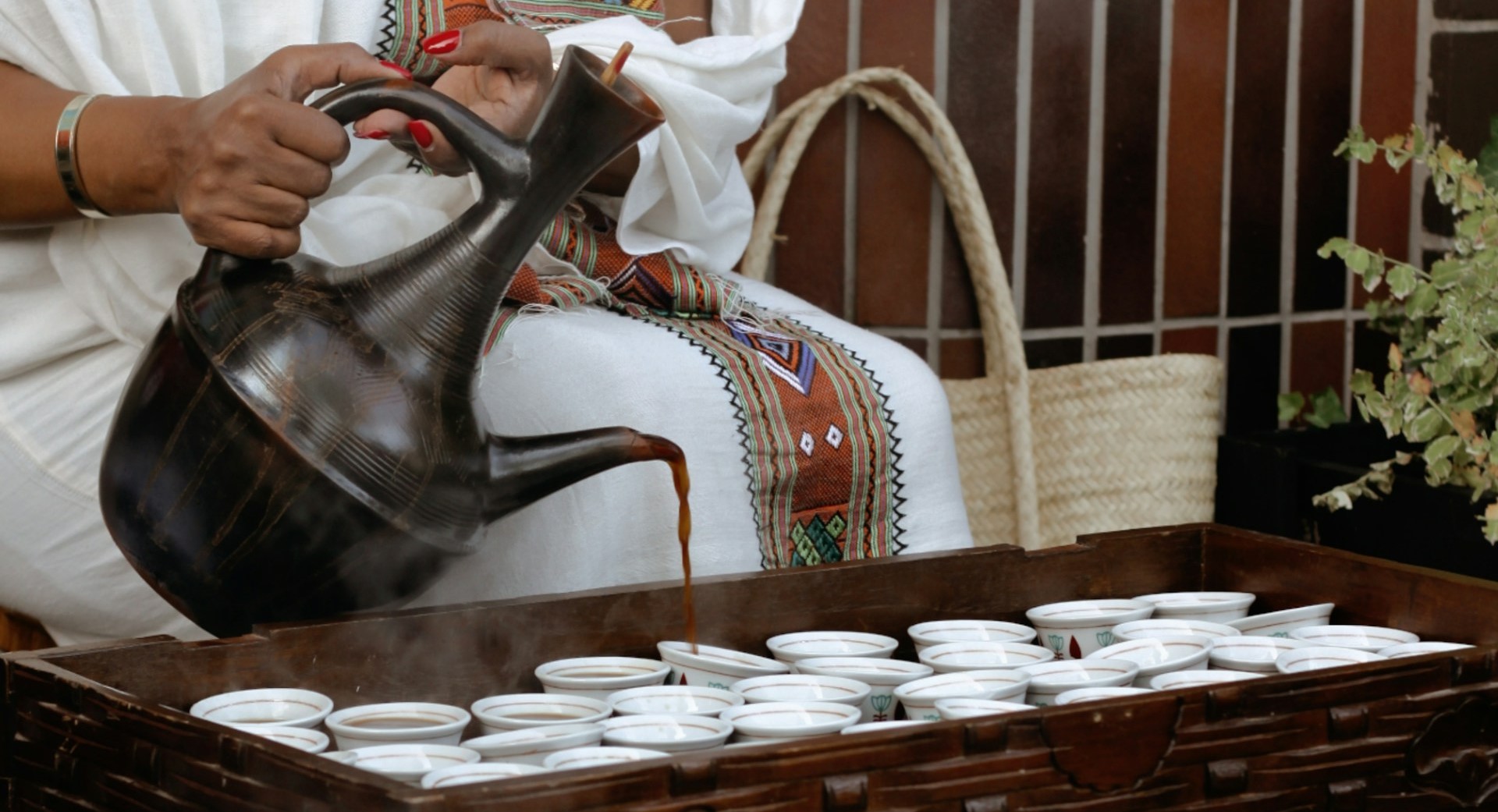
Ethiopia is the birthplace of coffee, and in Addis, coffee is far more than a drink—it is a symbol of hospitality. One of the most cherished traditions is the Ethiopian coffee ceremony. Prepared slowly and with great care, the ceremony brings people together to talk, laugh, and share stories. The aroma of freshly roasted beans fills the room as coffee is brewed and served in small cups, often accompanied by incense and light snacks.
The food and drinks of Addis Ababa reflect Ethiopia’s rich culture, history, and sense of togetherness. At the center of many dishes is injera, the soft, spongy flatbread that serves as both plate and utensil, paired with a variety of flavorful stews known as wot. Addis offers a wide range of traditional dishes, from spicy favorites like doro wot to hearty vegetarian options made with lentils, chickpeas, and vegetables.
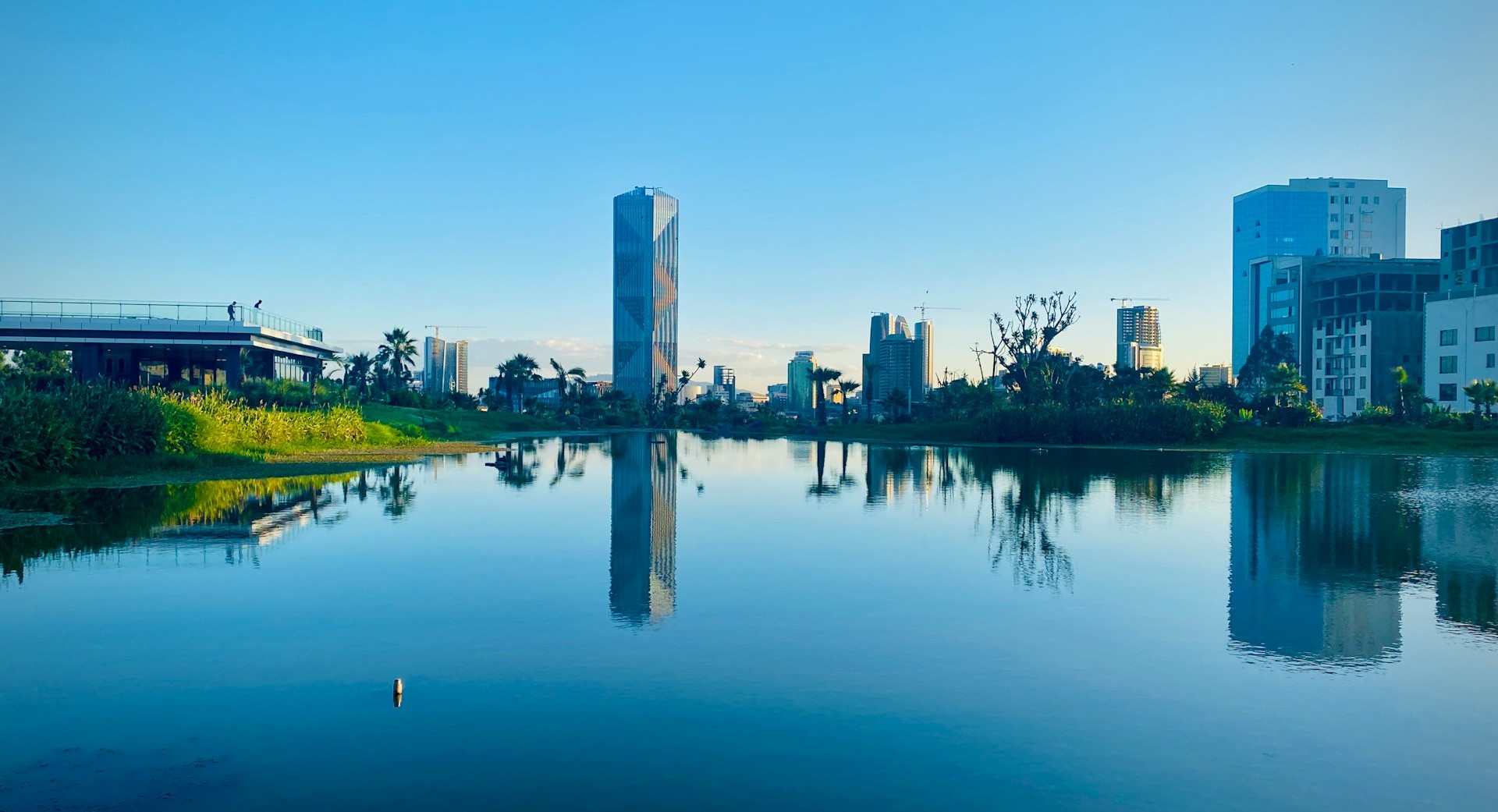
The Corridor Development is one of the most transformative urban projects we will learn about in Ethiopia’s capital. This project is reshaping key arteries of the city into modern, vibrant, and well-connected public spaces. Launched by the City Administration in late 2022, the initiative is part of a broader smart city vision to improve mobility, expand infrastructure, and enhance the quality of life for residents and visitors alike. It includes wide, beautifully lit roads, expanded pedestrian walkways and bicycle lanes, public plazas, green spaces, parks, and upgraded utilities. The development also emphasizes sustainability and public amenities — from flood control systems to recreational areas — and has significantly increased the city’s international appeal as a livable and tourism-friendly destination.
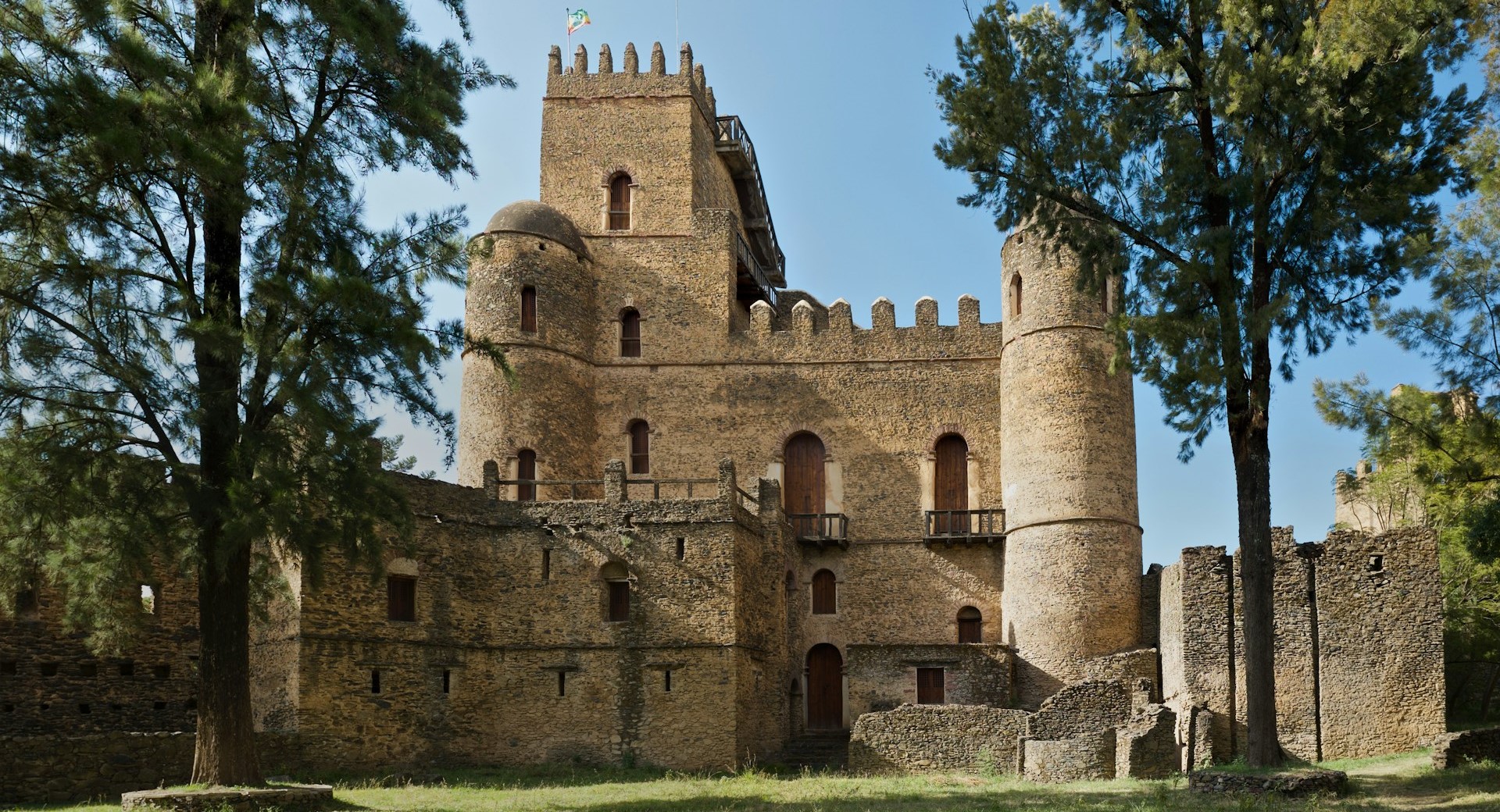
The Ethiopian National Palace Museum stands as a remarkable symbol of the country’s rich history and enduring cultural heritage. Originally built in 1955 as the Jubilee Palace to commemorate Emperor Haile Selassie’s Silver Jubilee, the iconic neoclassical structure served as a seat of power for decades before undergoing extensive restoration. The National Palace was transformed into a museum and officially opened to the public in June 2025. Inside, the museum showcases an impressive array of historical exhibits — from royal artifacts and diplomatic gifts to vintage vehicles and ceremonial objects — all narrating Ethiopia’s journey through the imperial era and beyond.
The Grand Ethiopian Renaissance Dam (GERD) stands as one of Africa’s most ambitious and transformative infrastructure projects. Located on the Blue Nile (Abay River) in Northwestern Ethiopia, near the Sudanese border, the dam represents a bold vision of national self-reliance, regional cooperation, and sustainable development. Since its launch, GERD has become a powerful symbol of Ethiopia’s determination to harness its natural resources for the benefit of its people and future generations. Designed to be Africa’s largest hydroelectric power plant, GERD is expected to generate clean and reliable power that will significantly expand electricity access across the country.
There are seven mega projects in Addis Ababa that we will explore and learn about. The following projects will be implemented in the next five to six years: Nuclear enrichment, inauguration of a gas plant, realization of an oil refinery, the largest airport in Africa, starting the construction of the 2nd gas plant, starting the construction of a fertilizer plant, and starting 1.5 million houses across the country. These projects require more than 30 billion dollars. The Bishoftu International Airport (BIA) will be the largest aviation infrastructure project in Africa’s history. It aligns with Ethiopia’s national economic reforms, industrialization agenda, and long-term aviation strategy. The project will strengthen Ethiopian Airlines’ global competitiveness, enhance Africa’s connectivity, expand trade and tourism corridors, and position Ethiopia as a premier intercontinental hub.
If you join our Urban Immersion Program in Addis Ababa, it will be more than academic engagement: you will experience a city where ancient civilization meets modern Africa, and where guests are treated with genuine warmth. We look forward to welcoming you. If you have questions, please email Dr. Belete Mebratu (belete.mebratu@bgu.edu), who is the Professor of Record for this class. Dr. Bekele Bedada Tulu is co-teaching this class. If you would like to check the Course Syllabus and the cost of the program, please click HERE.